Leadership Coaching in a Time of National Fracture
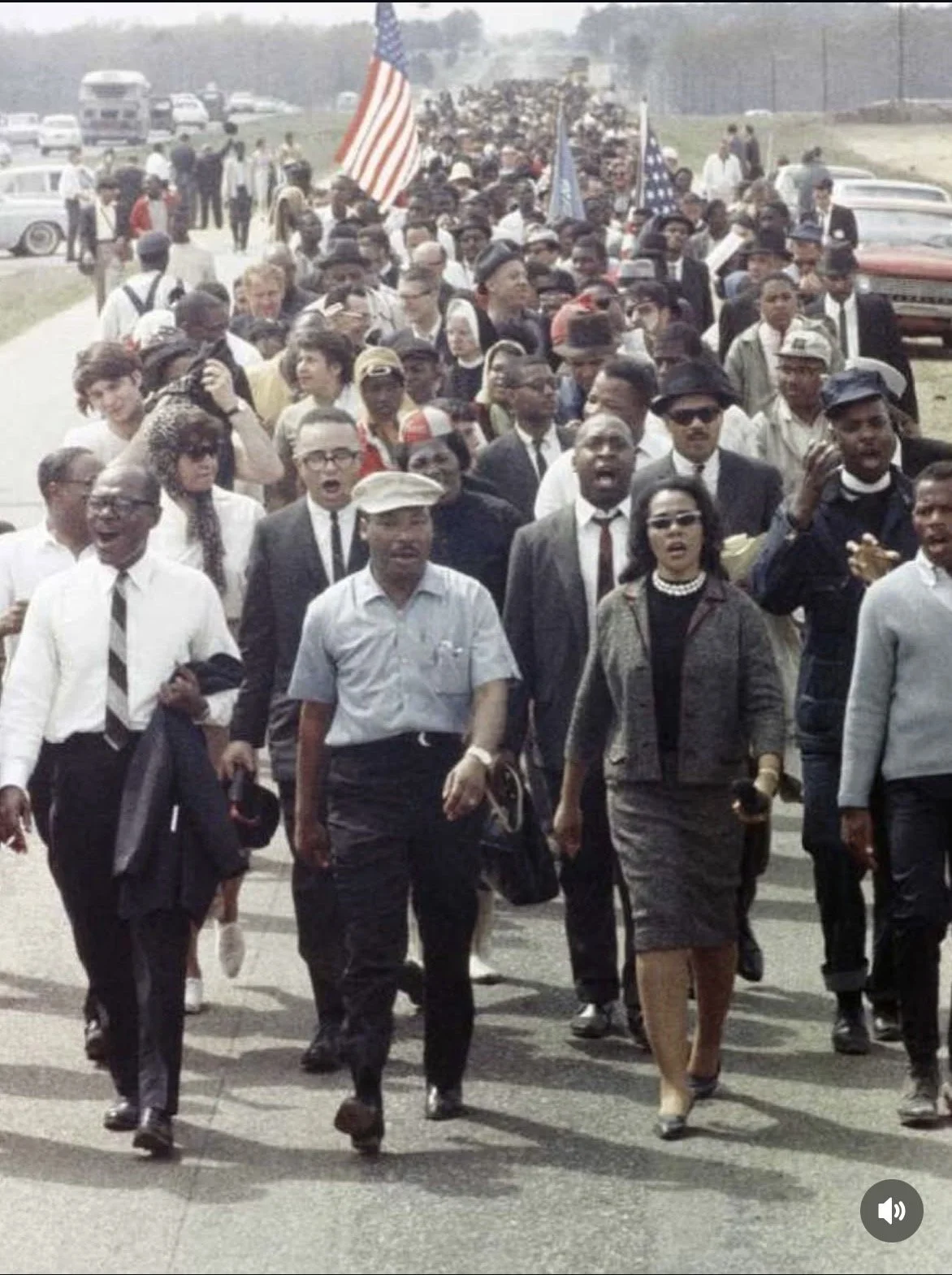
It’s not too late. In fact, this moment is the moment to lead.
I'm writing this because the work I do (coaching leaders through complexity, uncertainty, and moral challenge) has never felt more necessary or more difficult. The ground beneath us is unstable, pretending otherwise would be dishonest.
In less than three weeks this January in Minneapolis, federal immigration agents fatally shot two American citizens, Renée Nicole Good and Alex Jeffrey Pretti, during a large-scale enforcement operation. Their deaths have rippled outward in grief, outrage and fear, deepening an already profound mistrust between communities and institutions. These are not distant policy outcomes or theoretical debates. They are human lives lost in the name of someone’s sense of order, authority and urgency.
That is the atmosphere we are experiencing right now. Hatred is rising everywhere: organized, weaponized, legitimized. Fear is being organized into identity. Political leadership, rather than cooling the temperature, accelerates it by rewarding escalation, flattening nuance, and normalizing the idea that force is not just necessary but virtuous. For many Americans, there is a growing, quiet terror and understanding that we are drifting toward something darker, or perhaps that we have already crossed over to a place we once believed our nation would never go.
I do not experience this moment from a neutral distance. I am a gay man, married to a Black man. We exist in public because of decades of hard-won social progress, because many people I will never know in the past insisted, often at great personal cost, that dignity, visibility, and protection under the law should extend to those of us once deemed unacceptable or inconvenient.
I am also a citizen of a Native nation. My people carry a long memory of what happens when those in power decide that some lives are expendable, that some communities are obstacles to progress, or that the majority’s supposed "need," security, or destiny justify erasure of a people. Indigenous Peoples know what it looks like when the language of order masks domination, when fear is weaponized, and when leaders insist that harm is regrettable but necessary. Sorry we had to force march you and your families thousands of miles. We needed your land. History does not whisper these lessons to us. It speaks to us directly and plainly.
So, I feel compelled to say as clearly as I can: what we are seeing in the United States of America looks, smells, tastes of fascism, not as a rhetorical insult, but as a lesson from history. The glorification of force, the dismissal of dissent, the dehumanization of targeted groups, the insistence that some people are threats by nature rather than citizens by right: these are not new 2026 inventions. Leaders who flirt with or normalize these dynamics, even coyly, even indirectly, do real damage. Not even necessarily because they intend to, but because they provide cover for those who do. Silence or ambiguity in the face of this drift is not neutrality; it is participation.
And still, I want to be equally honest about something else. Please listen, everyone—this one is hard, especially now: hatred is not confined to one camp. It is circulating everywhere. Outrage hardens into certainty. Fear calcifies into contempt. People who feel threatened (whether by state violence, demographic change, economic precarity, or loss of status) often reach for narratives that simplify the world into enemies and allies. This mutual dehumanization is profoundly human, and profoundly dangerous. It corrodes our capacity to see one another clearly and makes collective repair nearly impossible.
Where does that leave leaders, and those of us who coach them?
It leaves us in a place that demands more than technique. This moment calls for moral clarity without moral superiority, emotional regulation without emotional numbing, and courage without cruelty. It’s a tall order. Leaders today need help staying human while the culture creeps toward dehumanization. They need support resisting the pull toward simplification, tribal certainty and performative outrage.
We cannot coach now pretending the world is stable. I know I can’t. What can we do? We can help leaders orient themselves inside instability. Notice when anger, ours, theirs, yours, becomes identity, when conviction slips into contempt. When righteous urgency eclipses responsibility for human impact. Maybe not just asking, "What do you believe?" but also "Who are you becoming in response to this?" and "What are you amplifying through your presence?"
Leaders need the capacity to hold complexity without paralysis: to grieve real harms, reject authoritarian impulses, and still refuse to turn fellow human beings into abstractions or enemies, especially our fellow citizens with whom we vehemently disagree. It’s almost impossible to ask that, but I believe that’s precisely what our leaders need to help us achieve. It’s the only spiritually sound, morally resonant way out of our mess. Our leaders need to practice discernment in a culture addicted to reaction. They need grounding in values that do not shift with the news cycle. Most importantly they need to manifest humility, humility to know that certainty is a dangerous substitute for wisdom.
To my fellow coaches: Do not despair! Coaching in this moment can be an act of resistance, not loud or dramatic, but disciplined and deeply ethical. We can serve a critical role in the solutions. This kind of coaching resists the lie that the only response to fear is force, that the only answer to hatred is more hatred. It insists that leadership still means something, even when institutions falter. It reminds us that societies do not unravel only because of extremist leaders or catastrophic events, but because enough ordinary leaders lose the capacity to think clearly, feel responsibly and act with care.
The work may look or seem small. A conversation. A pause. Using silence to teach. A reframing. A leader choosing restraint where escalation would be easier. But history suggests that these are precisely the moments where the future bends (quietly, imperfectly, but decisively) toward either repair or rupture. Coaching is one of the places where leaders are still making that choice.
It’s not too late. In fact, this moment is the moment to lead. If you're a leader navigating this moment, or someone who supports leaders, I hope this one gay man’s weekend reflection offers some small glimmer of clarity about what our country is asking of us now. Not neutrality. Not technique divorced from context. But the hard, human work of staying awake, staying grounded, and refusing to let fear decide who we become.
